.png)
Book Review: Born on the Water
- Marisa Terwilliger
- Feb 15, 2023
- 2 min read
Updated: Oct 12, 2023
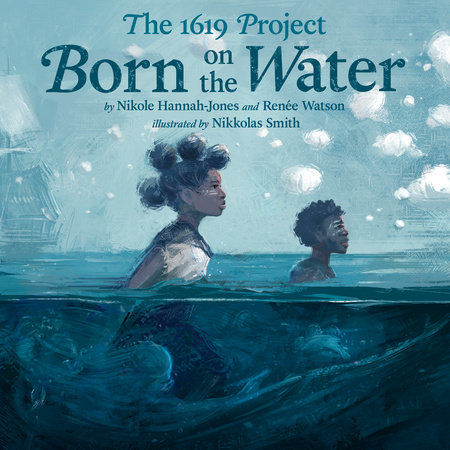
February is Black History Month so the book I chose this week is The 1619 Project: Born on the Water by Nikole Hannah-Jones and Renee Watson and illustrated by Nikkolas Smith. In 1619, the first slave ship, the White Lion, arrived from West Africa in Virginia. Born on the Water starts out in the present day with a school assignment you might remember from your own school days. A young Black girl watches as her classmates draw the flags from the countries of their ancestors. She is only able to trace back three generations, all from America. She takes this problem back to her grandmother who tells her about her ancestors. The book is a story of survival told in a series of poems with accompanying illustration. The first section talks about languages, songs, stories, dances, recipes and other important parts of West African culture.
The matching illustrations show different aspects of tribal life in West Africa, and are in joyous color. Then the art and narrative take a dark turn as these people are stolen from their homeland and brought in shackles to the “New World”. The following passages sketch out about 250 years of Black life in America. But the story isn’t just about suffering under slavery, but how Black people resisted, fought, found joy, and eventually found freedom. My favorite page talks about how Black men and women contribute to this country. The last poem ends with hope, as the girl finds pride in the history of Black people in America, and draws the American flag.
Although for children, this book can teach anyone about an important aspect of our history. For example, it is interesting that I know Virginia Dare’s name, but not William Tucker’s, the first Black child born in America. I’m glad to know both names now. The quote that stood out to me the most is “Ours is no immigration story.” Most people came to America to better themselves, or escape persecution. It is important to remember that African people did not come voluntarily. Most importantly in this book is the idea that Black people in America were indeed “born on the water” in the ships that brought them here to be a new people - not any African tribe, not native, but uniquely American.
If you would like to buy this book locally, or find out about more learning resources for Black History Month, stop by Artefaktual in Philippi, WV!


Comments